Trade Show Rigging: What You Need to Know October 2025
A little over two years ago, a new rigging policy sent ripples of confusion and frustration throughout the trade show industry. In August 2023, a major general services contractor (GSC), implemented a new rule requiring engineering stamps for custom-built suspended booth elements. This change, which caught many exhibitors by surprise, created significant challenges and raised important questions about safety, cost, and communication.
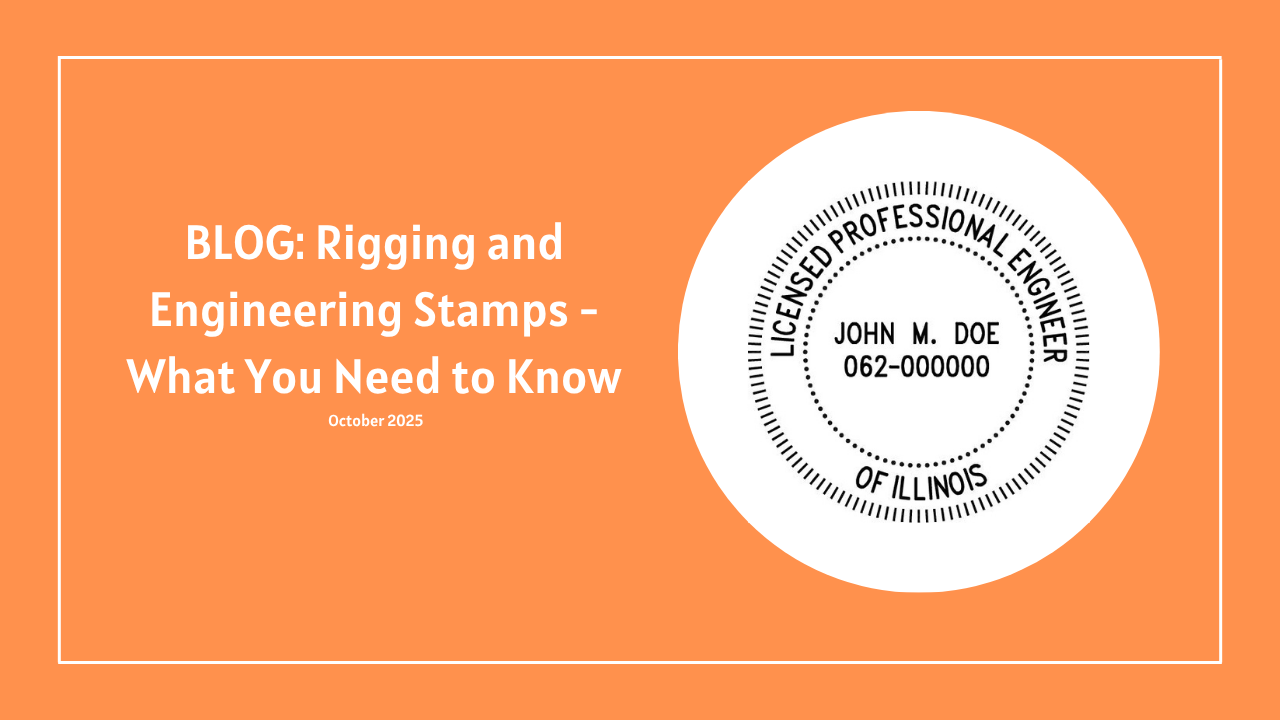
Exhibitors, sometimes notified as late as on-site during move-in, were told their suspended signs, lightboxes, and video wall surrounds needed a stamped certification from a civil or structural engineer registered in the same state as the event. For many, this meant scrambling to find local engineers and incurring unexpected costs for elements that already had nationally recognized engineering stamps.
The Exhibitor Advocate, in partnership with ESCA and EDPA, stepped in to address these concerns. Our goal was to find a solution that upheld safety standards without placing an undue burden on exhibitors. After months of collaboration, a resolution was reached. This post will clarify the current state of rigging regulations and provide guidance on what you need to know to ensure a smooth and safe trade show experience.
The Evolution of Rigging Rules
The initial rule implemented in August 2023 was problematic for several reasons. The primary issue was the requirement for a state- and year-specific engineering stamp. Many exhibitors use the same booth components across multiple shows in different cities. These components often already have an engineering stamp that is nationally recognized and does not expire unless the structure is modified.
The lack of advance notice was another significant hurdle. Exhibitors plan their show presence months, or even a year, in advance. Finding out about a new, costly requirement during move-in can disrupt budgets and timelines. These unexpected expenses not only affect an exhibitor’s ROI for a specific show but can also have broader implications for their entire marketing budget and even job security.
Recognizing the burden this placed on exhibitors, The Exhibitor Advocate worked with industry partners to voice these concerns. We advocated for a revision that would:
- Accept nationally recognized engineering stamps, regardless of the state they were acquired in.
- Accept engineering stamps regardless of the year they were issued, provided no structural changes were made.
- Ensure all rigging rules are clearly communicated in the show service kit.
Our collective efforts led to a positive change. In February 2024, Freeman and GES revised their regulations, demonstrating the power of industry collaboration when we work together to address challenges.
Current Rigging Regulations Explained
While the situation has improved, the rules surrounding trade show rigging can still feel murky. It’s crucial to remember that regulations can vary significantly from one show to another. The local jurisdiction—including the venue, city, and even county—can have its own set of rules that take precedence.
Always consult the show services kit for the most accurate and specific information for each event. However, based on the revised guidelines, here is a summary of what exhibitors can generally expect.
Engineering Stamp Requirements
Revised regulations state that a structure’s engineering stamp is valid if the following conditions are met:
- The stamp is issued by a structural or civil engineering firm in the United States.
- The structure has not been modified since the original design stamp was issued.
- Crucially, venue, municipality, or state codes will take precedence over Freeman’s standards. If a local code is more stringent, it must be followed.
This revised rule provides much-needed flexibility, allowing exhibitors to use their existing stamped components across different shows without needing a new stamp for each event, as long as local rules don’t mandate it.
Hanging Signs, Graphics, and Structures
Specific rules apply to the weight and assembly of hanging elements:
- Weight Limits: Any sign or hung structure over 250 lbs will require a secondary lifting device, such as a chain hoist. Venues may have more stringent codes or lower weight thresholds, which must be adhered to.
- Assembly and Installation: All overhead hanging must be assembled, installed, and removed by the official GSC (like Freeman). While your team or an Exhibitor Appointed Contractor (EAC) can supervise, they are not permitted to perform the rigging work themselves. Only GSC employees are allowed in the lifts.
- Custom-Built Elements: For custom pieces like lightboxes, headers, and video wall surrounds, you must provide a stamped certification from a licensed U.S. engineer affirming the structural integrity.
Video Walls and Tie-Offs
Special considerations are in place for video displays and structures requiring additional support:
- Video Walls: All non-serially manufactured LED and video display systems require a stamped engineering certification and must comply with ANSI E1.50-1 standards. An assembly and disassembly plan must be sent to the GSC for review.
- Tie-Offs: If your booth design includes elements that need to be tied off to the venue structure for additional support (e.g., headers or seismic lines), a stamped certification affirming the structural integrity is required. You should contact the GSC for pre-authorization if you anticipate needing this service.
Your Responsibility as an Exhibitor
Navigating these rules requires proactive planning. Here’s what you can do to ensure compliance and avoid last-minute issues:
- Read the Show Kit Thoroughly: This is your primary source of information. Pay close attention to the sections on rigging, hanging signs, and any venue-specific rules.
- Communicate with Your Exhibit House: Your design and build partner should be well-versed in these regulations. Work with them to ensure all your suspended elements are compliant and that you have the necessary engineering documents.
- Provide Detailed Plans: For any rigged elements, you must provide the GSC with an engineered print or drawing that includes point loads and weights. Failure to do so by the deadline can result in delays and increased costs.
- Use Rated Hardware: All hardware used for overhead lifting, such as eye bolts, must be shouldered, forged, stamped, and rated for that purpose. If you provide non-compliant hardware, the GSC will replace it at your expense.
Moving Forward Together
The resolution of the 2023 rigging issue is a testament to what can be achieved when the industry collaborates. While progress has been made, it’s incumbent upon GSCs and show organizers to continue improving communication. A simple, accessible guide on rigging rules, perhaps published on GSC websites on a venue-by-venue basis, would be a valuable resource for everyone.
At The Exhibitor Advocate, our passion lies in supporting you, the exhibitor. We believe that a safe and successful show floor is the result of a partnership between exhibitors, organizers, and contractors. We will continue to monitor industry practices and advocate for policies that are fair, transparent, and beneficial for all.
If you have questions about rigging or encounter challenges at your next show, don’t hesitate to reach out. The Exhibitor Advocate is here to provide support and guidance. Contact us at info@exhibitoradvocacy.com to add your voice to our industry-wide movement for positive, lasting change.